
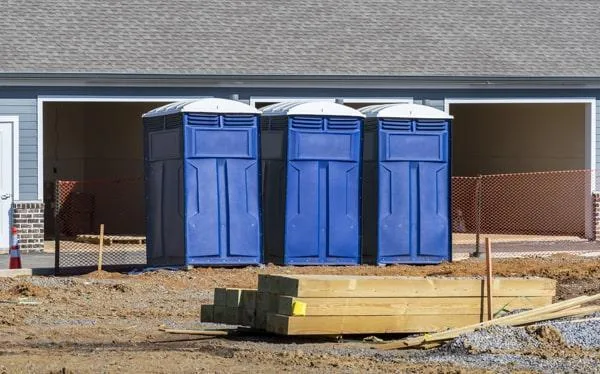
Include the facilities in routine site checks
An installed unit still needs an active site contact. Keep someone responsible for observing access and supplies, communicating changes and coordinating the provider’s visits as the work develops.
Check that users can reach the door, the equipment appears usable and the agreed supplies are present. Report a damaged, unstable or unusable unit to the provider and follow its directions. Do not attempt a repair or relocation as a substitute for the agreed support process.
Protect the service approach from later deliveries
Material stacks, parked vehicles and temporary barriers can block an otherwise suitable position. Keep the reviewed route available for waste removal and cleaning, and tell the provider before a planned access change. If a different position is needed, have it assessed and the move arranged.
Review demand at phase changes
New trades, longer hours or public access can change use even when the unit count stays the same. Discuss whether additional equipment or revised visits are appropriate. Keep washing supplies and any accessible facilities part of the review rather than treating them as separate from the crew’s everyday needs.
Close the rental deliberately
Confirm the last users, the collection request and the person who can admit the vehicle. Leave the access route clear through final removal. The departure of the main contractor does not automatically tell the provider that the equipment should be collected.
Questions before you book
Does a supervisor’s daily check replace servicing?
No. Site observation helps identify problems and keep access clear. Cleaning, waste removal and replenishment must follow the actual provider arrangement.
What should I do if another delivery blocks the unit?
Restore the agreed access when safe to do so and notify the provider if a visit or user access is affected. Have any new equipment position reviewed before a move.